
Overview
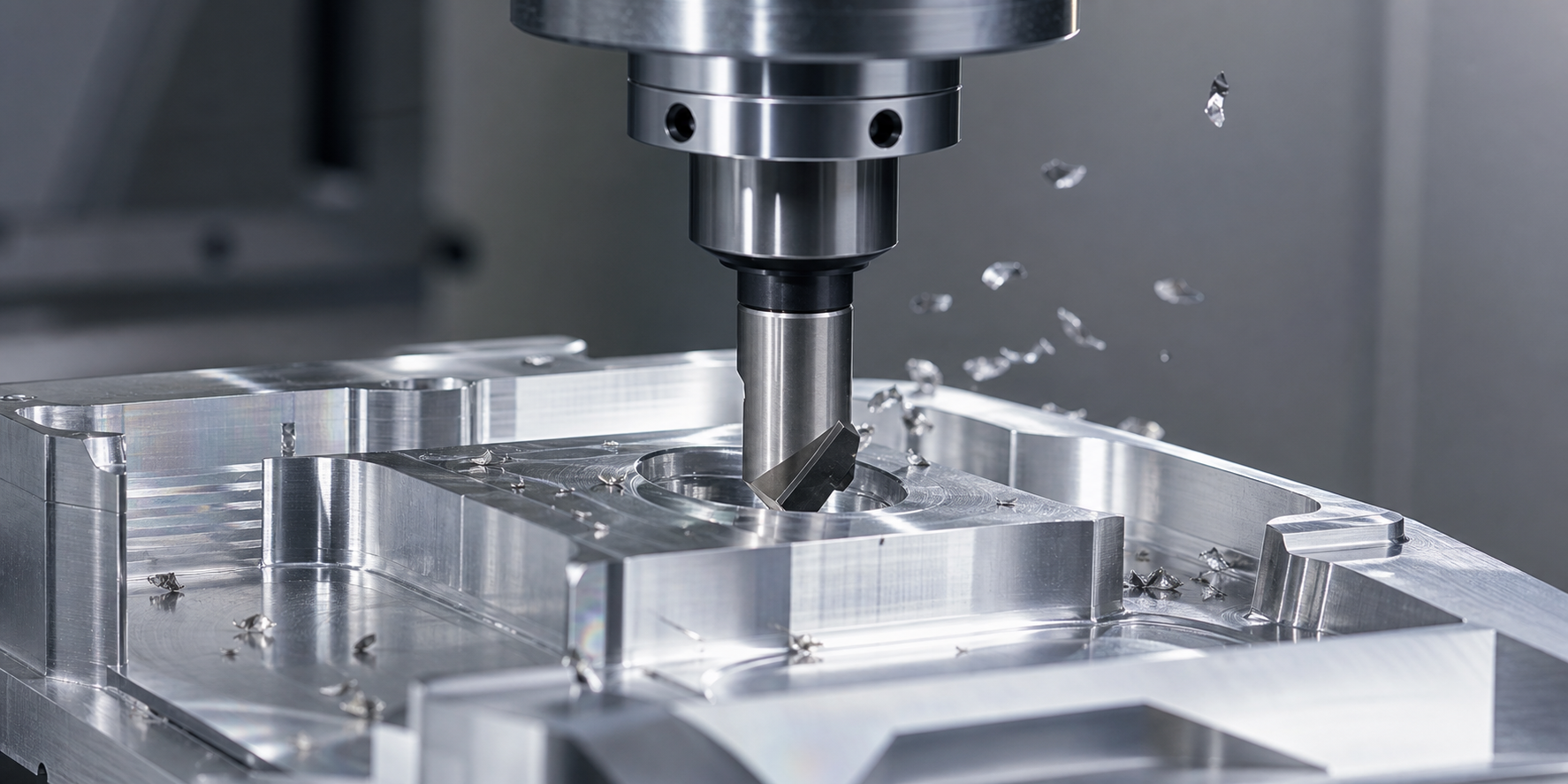
PCD tools are widely used in aluminum machining because they can provide long tool life, stable surface finish and good dimensional consistency in suitable applications.
For distributors, machine shops and OEM buyers, PCD is often considered when carbide tools wear too fast, surface finish is unstable, or repeat production needs better tool life control.
This guide is written for buyers who need to source PCD inserts, PCD milling cutters, PCD drills or custom PCD tools, but may not yet have all technical details ready. It explains what information matters before quotation and how to communicate requirements more clearly with a supplier.
Why PCD is used for aluminum
PCD stands for polycrystalline diamond. Diamond has very high wear resistance, which makes PCD suitable for many non-ferrous materials.
In aluminum machining, PCD tools are commonly used because they can help with:
- Longer tool life in repeat production
- Better surface finish
- Stable hole quality
- Reduced tool change frequency
- High-speed machining of aluminum parts
- Better performance in abrasive aluminum alloys
In simple buyer language, PCD is not selected only because it is “harder.” It is selected when the buyer wants stable machining results over a longer production run. In the right aluminum application, the higher tool price may be balanced by longer tool life, fewer tool changes and more consistent part quality.
Common aluminum applications
PCD tools are often used for automotive, aerospace and precision component machining.
Typical applications include:
- Aluminum engine components
- Transmission housings
- Aluminum wheels
- Aluminum structural parts
- Precision holes and finishing operations
- High-speed milling and drilling
For these applications, buyers usually care about tool life, finish, size stability and repeat supply.
Aluminum materials and machining conditions
Not all aluminum machining is the same. The right PCD tool design depends on the aluminum grade, silicon content, cutting operation and finish requirement.
Common material situations include:
- Wrought aluminum parts where surface finish and burr control matter
- Cast aluminum parts where silicon content can increase tool wear
- Aluminum alloy automotive parts produced in repeat volume
- Aluminum structural parts that require stable milling performance
- Precision holes where diameter consistency and surface finish are important
If the aluminum alloy is abrasive or the part is produced in large quantity, PCD becomes more attractive. If the order is very small or the tolerance is not demanding, carbide may still be a practical starting point.
Common PCD tool types
Different aluminum operations need different tool styles. Common PCD tool categories include:
- PCD inserts for turning and finishing
- PCD milling cutters for high-speed aluminum milling
- PCD drills for precision hole machining
- PCD reamers for stable hole size and finish
- Custom PCD tools for special drawings or process improvement
If the buyer already has a current tool model, the quotation can usually move faster. If the buyer has a drawing or sample photo, it helps the supplier review the geometry more clearly.
How to choose the right PCD tool category
The first question is not only “Do I need PCD?” The better question is: “Which PCD tool type fits this operation?”
For turning and finishing, buyers often start with PCD inserts. The supplier needs the insert model, corner radius, cutting edge requirement and workpiece material.
For aluminum milling, PCD milling cutters are often used when surface finish, tool life and high-speed performance matter. Important details include diameter, flute number, cutting length, shank style and machine condition.
For hole machining, PCD drills and PCD reamers may be used when hole size, surface finish and repeatability are important. In this case, hole diameter, depth, tolerance and coolant condition are useful quotation details.
For non-standard applications, custom PCD tools may be required. A drawing, sample photo or current tool model will make the review much faster.
Key factors that affect quotation
Two PCD tools can look similar but have very different costs and lead times. A practical quotation depends on several details:
- Tool type, such as insert, milling cutter, drill, reamer or custom tool
- PCD grade or material choice
- Tool size and cutting edge length
- Edge geometry and corner radius
- Workpiece material and aluminum alloy grade
- Required tolerance and surface finish
- Quantity, trial order plan and repeat demand
- Packaging or private label requirement
For standard tools, quotation is usually faster. For custom tools, the supplier may need to check drawing details, production method and inspection requirements before confirming price.
When PCD may not be the best choice
PCD is not suitable for every material. It is mainly used for aluminum, copper, brass, graphite, composites and other non-ferrous or abrasive materials.
For steel or stainless steel machining, carbide or other tool materials are usually more practical. For hardened steel and cast iron, PCBN tools may be considered instead.
This is why the workpiece material must be confirmed before quotation.
PCD may also be unnecessary when the quantity is very small, the machining requirement is simple, or the buyer mainly wants the lowest starting price. In these cases, carbide tools can sometimes be a better first option.
Common buyer mistakes
Some sourcing delays come from unclear technical information. Common problems include:
- Asking for a quotation without material information
- Sending only a tool photo without dimensions
- Not explaining whether the tool is for trial order or repeat production
- Mixing steel machining and aluminum machining requirements
- Comparing PCD price with carbide price without considering tool life
- Not sharing the current tool problem, such as wear, chipping, burrs or poor finish
These details are not complicated, but they help the supplier avoid wrong recommendations.
What buyers should prepare before quotation
To get a more accurate PCD tool quotation, prepare the following information:
- Workpiece material and alloy grade
- Current tool model or drawing
- Machining operation, such as turning, milling, drilling or reaming
- Tool diameter, insert model or key dimensions
- Quantity and expected repeat demand
- Current tool life or machining problem
- Surface finish or tolerance requirement
Clear information helps reduce wrong recommendations and saves time for both buyer and supplier.
Simple quotation example
A useful inquiry does not need to be perfect. A buyer can start with a short message like this:
We need PCD tools for aluminum housing machining. Current tool is a carbide end mill, diameter 12 mm, used for finishing. The material is cast aluminum alloy. Current tool life is not stable and surface finish needs improvement. Trial quantity is 10 pieces, with possible repeat demand after testing.
This kind of message gives the supplier enough direction to ask the right follow-up questions and prepare a more practical quotation.
FAQ
Are PCD tools only for aluminum?
No. PCD tools are also used for copper, brass, graphite, composites and other non-ferrous or abrasive materials. Aluminum machining is one of the most common applications.
Can PCD tools machine steel?
PCD is generally not the practical choice for steel machining. For steel, carbide tools are usually more common. For hardened steel and cast iron, PCBN tools may be considered.
Do buyers need a drawing for every PCD tool?
Not always. For standard inserts or standard cutters, a model number may be enough. For custom tools, a drawing, sample photo or current tool model is strongly recommended.
Is PCD always better than carbide?
No. PCD is better only in suitable applications. For aluminum repeat production, it may bring better tool life and finish. For general machining or small quantity orders, carbide may be more practical.
Buyer takeaway
PCD tools can be a strong choice for aluminum machining when the buyer needs stable tool life, better finish and repeatable performance.
The best result comes from matching the tool type, edge geometry and application details. If you are sourcing PCD inserts, PCD milling cutters, PCD drills or custom PCD tools, send your model, drawing, material and quantity for review.